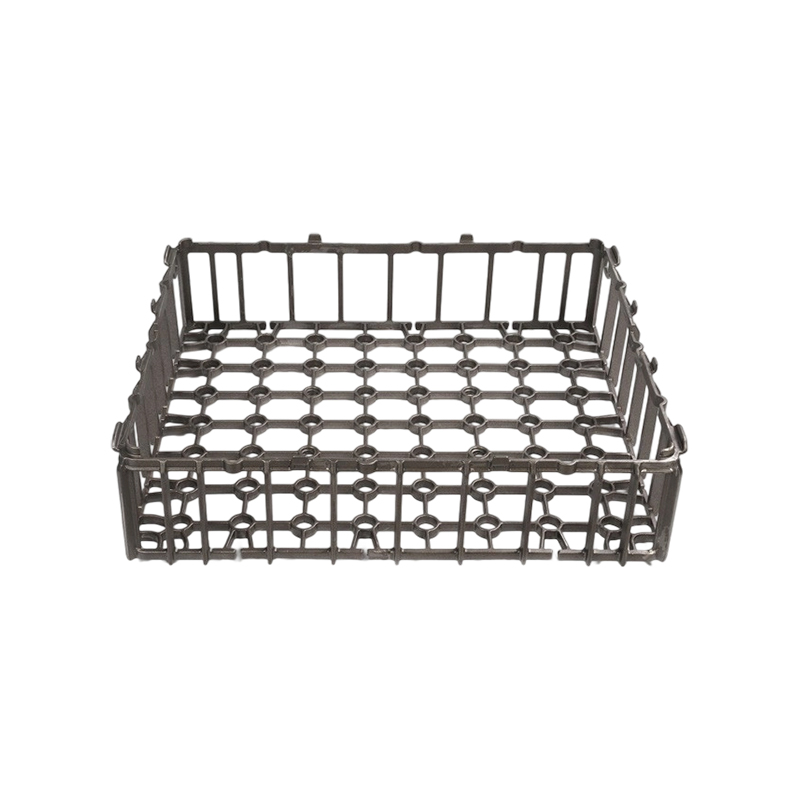
Shunda Road, Lincheng Town Science and Technology Industrial Park, Xinghua City, Jiangsu Province
 English
 русский
 Español
 عربى
عربى
إن لفائف سبائك الصلب للأفران عبارة عن مكونات أسطوانية مقاومة للحرارة تدعم وتحرك الشريط أو الصفائح أو قطع العمل من خلال الأفران المستمرة وخطوط التلدين وخطوط الجلفنة. تحدد الدرجة الصحيحة وعملية الصب والمعالجة السطحية عمر اللفة وجودة الشريط. بالنسبة لمعظم التطبيقات ذات درجات الحرارة العالية، يوفر الفولاذ المقاوم للصدأ 310 أو هونج كونج 40 أو سبيكة HP المعدلة أفضل توازن بين التكلفة وعمر الخدمة؛ يجب الاحتفاظ بسبائك النيكل في الظروف القاسية.
محتوى
- 1 لماذا لا يمكن استخدام الفولاذ القياسي في لفات الفرن
- 2 ما هي درجات السبائك المستخدمة في لفات الفرن؟
- 3 كيف يتم تصنيع لفات فرن سبائك الصلب؟
- 4 كيف تعمل المعالجات السطحية للفرن على إطالة عمر الخدمة
- 5 أوضاع الفشل الشائعة لفات أفران سبائك الصلب وكيفية الوقاية منها
- 6 المواصفات الأساسية التي يجب تحديدها عند طلب لفات أفران سبائك الصلب
- 7 الأسئلة المتداولة حول لفائف سبائك الصلب للأفران
- 8 الاستنتاج
لماذا لا يمكن استخدام الفولاذ القياسي في لفات الفرن
يفقد الفولاذ الكربوني القياسي معظم قوته الحاملة عند درجة حرارة تزيد عن 400 درجة مئوية تقريبًا ويتأكسد بسرعة في أجواء الفرن. يجب أن تقاوم لفات الفرن الزحف والتعب الحراري والتحجيم أثناء دعم أحمال الشريط لآلاف الساعات.
- مقاومة درجات الحرارة: يصل سطح اللفة غالبًا إلى 700-1150 درجة مئوية، وهو ما يتجاوز النطاق المفيد للفولاذ الكربوني العادي.
- الأكسدة: يؤدي تكوين المقياس إلى تغيير قطر اللفة ويمكن أن يحدد الشريط.
- الزحف: يؤدي الحمل الطويل عند درجة حرارة عالية إلى الترهل والانحناء.
- التعب الحراري: تؤدي دورات التسخين والتبريد المتكررة إلى حدوث تشققات سطحية تنمو مع مرور الوقت.
ما هي درجات السبائك المستخدمة في لفات الفرن؟
يعتمد اختيار الدرجة على درجة حرارة التشغيل والجو والحمل الميكانيكي. يعمل المحتوى العالي من السبائك عمومًا على تحسين قوة درجات الحرارة العالية ومقاومة الأكسدة، ولكنه يزيد أيضًا من التكلفة وصعوبة التصنيع.
310 الفولاذ المقاوم للصدأ (25Cr-20Ni)
الفولاذ المقاوم للصدأ 25Cr-20Ni يقاوم الأكسدة حتى حوالي 1050 درجة مئوية ويناسب درجات الحرارة المعتدلة والأحمال الخفيفة. قوة الزحف أقل من درجات HK أو HP المصبوبة، لذلك يمكن أن يحدث الترهل في الأفران الساخنة جدًا.
سبيكة HK40 (25Cr-35Ni)
توفر سبيكة الصب 25Cr-35Ni قوة تمزق أفضل من 310. إنها خيار شائع للفائف الفرن عند 950-1050 درجة مئوية، لكن هيكل الكربيد الخاص بها يخشن بعد الخدمة الطويلة.
سبائك HP المعدلة (25Cr-35Ni مع السبائك الدقيقة)
25Cr-35Ni مع النيوبيوم أو التيتانيوم أو التنغستن أو الأتربة النادرة يحسن قوة التمزق الزاحف. يُفضل استخدام اللفائف المحملة بكثافة فوق 1050 درجة مئوية وعادةً ما تسدد تكلفتها الأعلى خلال عمر أطول.
سبائك فائقة ذات قاعدة نيكل للخدمة القصوى
تتعامل سبائك النيكل مع الحرارة الزائدة الشديدة، والأجواء الكربنة، أو درجات الحرارة الأعلى من حوالي 1100 درجة مئوية، ولكنها مكلفة ويصعب تصنيعها.
درجات منخفضة من السبائك لتطبيقات تحت 700 درجة مئوية
أقل من 700 درجة مئوية تقريبًا، يمكن أن يكون الفولاذ ذو نسبة الكروم المنخفضة مثل 1.25Cr-0.5Mo مناسبًا وأسهل في التصنيع.
| درجة سبائك | محتوى الكروم والنيكل | نطاق درجة الحرارة الصالحة للاستخدام | استخدام لفة الفرن النموذجي |
|---|---|---|---|
| 310 الفولاذ المقاوم للصدأ | 25Cr-20Ni | تصل إلى حوالي 1050 درجة مئوية | درجة حرارة معتدلة، وحمل خفيف |
| HK40 | 25Cr-35Ni | 950-1050 درجة مئوية | لفات الفرن العامة، أقل تكلفة |
| تم تعديل HP | 25Cr-35Ni مع Nb أو Ti أو W | 1000-1150 درجة مئوية | لفات شديدة التحمل، خطوط تتحمل درجات الحرارة العالية |
| سبيكة فائقة ذات قاعدة النيكل | قاعدة ني | 1100-1250 درجة مئوية | خدمة حرارية أو كربنة شديدة |
| سبائك الصلب منخفضة | فئة 1.25Cr-0.5Mo | أقل من حوالي 700 درجة مئوية | مناطق أفران التبريد ومعدات المعالجة الحرارية |
كيف يتم تصنيع لفات فرن سبائك الصلب؟
يعتبر الصب بالطرد المركزي هو الطريق المفضل لفات الفرن لأنه ينتج مصبوبات أسطوانية كثيفة ذات تركيز جيد. يعد الصب الثابت والبناء المُصنَّع بمثابة بدائل للأشكال الهندسية المعقدة أو الأقطار الكبيرة أو أعمال الإصلاح.
صب الطرد المركزي
يتم صب السبائك المنصهرة في قالب فولاذي دوار، وتقوم قوة الطرد المركزي بإزالة الغاز والمسامية أثناء إنشاء جسم كثيف على شكل أنبوب. ويمكن بعد ذلك تشكيل الأسطح الخارجية والداخلية لتحمل شديد. تستخدم العديد من النباتات أ بكرة فرن الصب بالطرد المركزي المقاومة للحرارة لفات دعم الشريط لأنها تحافظ على تناسق الجدار ومحاذاة بنية الحبوب.
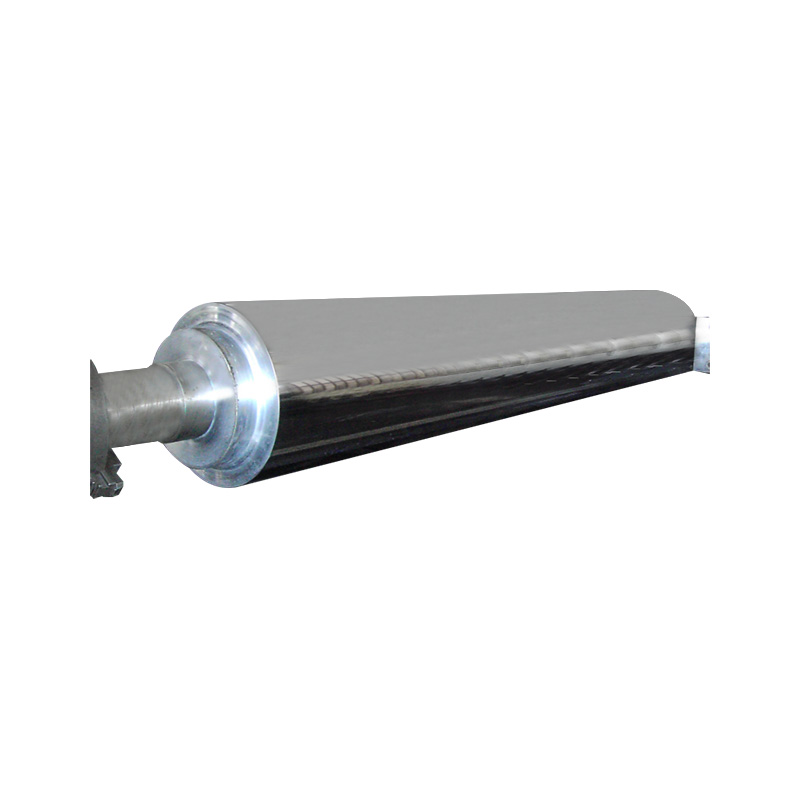 صب الطرد المركزي Heat-Resistant Rollers Supplier, Company Xinghua Jinniu Machinery Manufacturing Co., Ltd. هي المورد والشركة الصينية لبكرات مقاومة للحرارة لصب الطرد المركزي، وهي متخصصة في... عرض المنتج →
 صب ثابت مع الآلات الدقيقة
يناسب صب الرمل أو الاستثمار اللفات الأقصر والأشكال النهائية المعقدة والتصميمات الفريدة. يكون السطح المصبوب أكثر خشونة، لذلك عادة ما تكون هناك حاجة إلى المعالجة النهائية.
بناء لفة ملفقة
يتم تجميع اللفات المصنعة من الأنابيب والأعمدة والشفاه المصبوبة أو المطاوع. غالبًا ما تبدأ الصدفة كـ أنابيب الفولاذ المقاوم للصدأ المقاومة للحرارة الذي يوفر خصائص الزحف والأكسدة المطلوبة؛ تراكب اللحام والمعالجة الحرارية بعد اللحام تنضم إلى الأقسام.
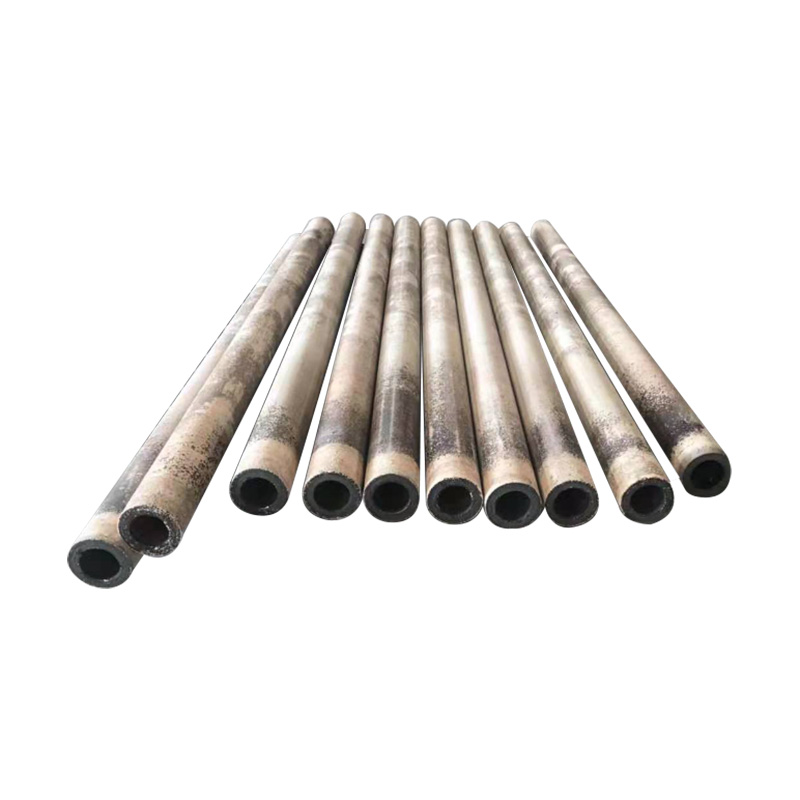 OEM / ODM مورد أنابيب الفولاذ المقاوم للصدأ المقاومة للحرارة ، الشركة باعتبارها المورد الصيني لأنابيب الفولاذ المقاوم للصدأ المقاومة للحرارة وشركة تصنيع المعدات الأصلية/تصنيع التصميم الشخصي، فإن شركة Xinghua Jinniu المتخصصة في تصنيع أنابيب الفولاذ المقاوم للصدأ المقاومة للحرارة... عرض المنتج →
 | الطريقة | الهيكل والكثافة | متطلبات الآلات | الأنسب ل |
|---|---|---|---|
| صب الطرد المركزي | حبيبات عمودية كثيفة | تصنيع معتدل إلى OD/ID النهائي | لف الأجسام تحت الحمل الحراري والميكانيكي |
| صب ثابت | الحبوب المتساوية يعتمد التحكم في المسامية على التغذية | غالبًا ما تكون هناك حاجة إلى بدل تصنيع أعلى | أشكال معقدة، لفات مصبوبة، حجم منخفض |
| ملفقة / ملحومة | يجمع بين المكونات المصبوبة أو المطاوع | المعالجة بعد اللحام | لفات ذات قطر كبير، وإصلاحات، وتعديلات |
كيف تعمل المعالجات السطحية للفرن على إطالة عمر الخدمة
غالبًا ما يتم التحكم في عمر اللفة عن طريق السطح، وليس فقط المعدن الأساسي. يقلل الطلاء من الحجم والتآكل والتقاط الشريط.
طلاءات الرش الحراري
تقلل طلاءات الألومينا أو كربيد الكروم من التآكل وتراكم درجات الحرارة العالية. يجب أن تتوافق خشونة السطح النهائية مع متطلبات جودة الشريط.
تراكب اللحام (المواجهة الصلبة)
تعتبر المواجهة الصلبة باستخدام سبيكة أكثر مقاومة للأكسدة فعالة في البكرات المعاد بناؤها، ولكن يجب التحكم في التخفيف من المعدن الأساسي لتجنب التشقق.
طلاءات الانتشار
يعمل انتشار العبوات أو البخار الكيميائي على إثراء السطح بالألمنيوم أو الكروم، مما يحسن مقاومة الأكسدة بدون طلاء ميكانيكي سميك.
أوضاع الفشل الشائعة لفات أفران سبائك الصلب وكيفية الوقاية منها
تتبع معظم حالات فشل لفات الفرن أنماطًا يمكن التعرف عليها؛ الدرجة الصحيحة أو الطلاء أو تغيير التشغيل يمنعهم.
- ارتفاع درجة الحرارة: يعمل التشغيل فوق درجة الحرارة التصميمية على تسريع عملية الأكسدة والزحف. مراقبة درجات حرارة المنطقة وتجنب النقاط الساخنة المحلية.
- زحف الترهل: الضغط المطول عند درجة حرارة عالية يؤدي إلى ثني اللفة. استخدم درجة HP المعدلة أو قم بتقليل الطول غير المدعوم.
- تحجيم الأكسيد: الأكسدة الانفصالية تقلل من قطر اللفة. استخدم سبيكة Cr/Ni أعلى أو طبقة واقية.
- تراكم السطح: تلتصق أبخرة الزنك أو الألومنيوم أو الأكسيد المكثفة باللفافة. استخدم طبقة تحرير أو قم بتثبيت لفات التنظيف.
- التعب الحراري: يؤدي التسخين والتبريد المتكرر إلى حدوث تشققات سطحية. التقليل من التقلبات في درجات الحرارة وتجنب الانخفاضات الباردة.
- التآكل والتآكل: يمكن لحواف الشريط أن تخدش سطح اللفة. ضع مواجهة صلبة أو استبدل الكم البالي قبل أن يصبح الضرر عميقًا.
المواصفات الأساسية التي يجب تحديدها عند طلب لفات أفران سبائك الصلب
المواصفات الكاملة تمنع المواد غير المتطابقة ومعايير القبول غير الواضحة. قم بتضمين العناصر التالية في أمر الشراء أو الاستفسار الفني:
- القطر الخارجي للفة، وسمك الجدار، والطول الإجمالي، وأبعاد المجلة.
- درجة السبائك ودرجة حرارة الخدمة المستمرة المقصودة.
- طريقة الصب أو التشكيل، بما في ذلك أي بدلات تصنيع مطلوبة.
- تشطيب السطح والتسامح مع جسم اللفة وأسطح المجلات.
- متطلبات الطلاء أو المواجهة الصلبة، بما في ذلك مواد الطلاء والسمك.
- اختبارات الجودة ومعايير القبول، مثل التحليل الكيميائي والصلابة والفحص بالموجات فوق الصوتية وتقرير الأبعاد.
الأسئلة المتداولة حول لفائف سبائك الصلب للأفران
ما هو الفرق بين السبائك المعدلة HK40 و HP لفات الفرن؟
يتمتع HK40 بقوة زحف أقل وهو الأفضل للخدمة الخفيفة عند 950-1050 درجة مئوية. تضيف سبائك HP المعدلة عناصر من السبائك الدقيقة لزيادة قوة التمزق، حتى تتمكن من العمل بشكل أكثر سخونة وتحمل أحمال أعلى بسعر أعلى.
كم مرة يجب استبدال لفات فرن سبائك الصلب؟
ليس هناك فاصل زمني محدد. يعتمد الاستبدال على فقدان القطر المُقاس، والتشقق، والانحناء، وجودة الشريط؛ تتراوح مدة الخدمة النموذجية من سنتين إلى خمس سنوات في خطوط متواصلة.
هل يمكن إصلاح لفات فرن سبائك الفولاذ بدلاً من استبدالها؟
نعم، إذا كان سمك الجدار المتبقي كافيا. يمكن إصلاح الشقوق أو التآكل الضحلة وإعادة تشكيلها وفحصها قبل إعادة استخدامها.
ما الذي يسبب تراكم لفات الفرن وكيف تتم إزالته؟
يأتي التراكم من أبخرة الزنك أو الألومنيوم أو الأكسيد أو المخلفات المتكثفة على اللفة الساخنة. يؤدي الطحن أو التنظيف بالفرشاة أو التنظيف الكيميائي إلى إزالته، اعتمادًا على المادة الملوثة والطلاء الملفوف.
ما هي اختبارات الجودة التي يجب أن تمر بها لفات فرن سبائك الصلب قبل التسليم؟
على الأقل، قم بتوفير التحليل الكيميائي وبيانات الصلابة أو الشد وفحص الأبعاد واختبار الموجات فوق الصوتية أو اختراق الصبغة في المناطق الحرجة.
الاستنتاج
يتيح لك تحديد درجة حرارة التشغيل والجو وقطر اللفة وجودة السطح قبل الطلب تحديد الدرجة ومسار التصنيع الذي يتوافق مع المهمة الحقيقية. يقلل هذا الأسلوب من فشل اللفة، ويحافظ على سطح الشريط نظيفًا، ويقلل إجمالي تكلفة تشغيل الفرن.